
Termites are one of the most destructive pests in Australia, causing billions of dollars in damage every year. These silent invaders feed on timber, weakening the structural integrity of homes and businesses long before they are detected. Because they live underground or inside walls, termite activity often goes unnoticed until significant damage has already occurred—leading to costly repairs and even structural failures.
At Gippsland Pest Management, our termite control process is structured into four key stages—designed to eliminate active infestations, install lasting protection, and maintain your peace of mind.
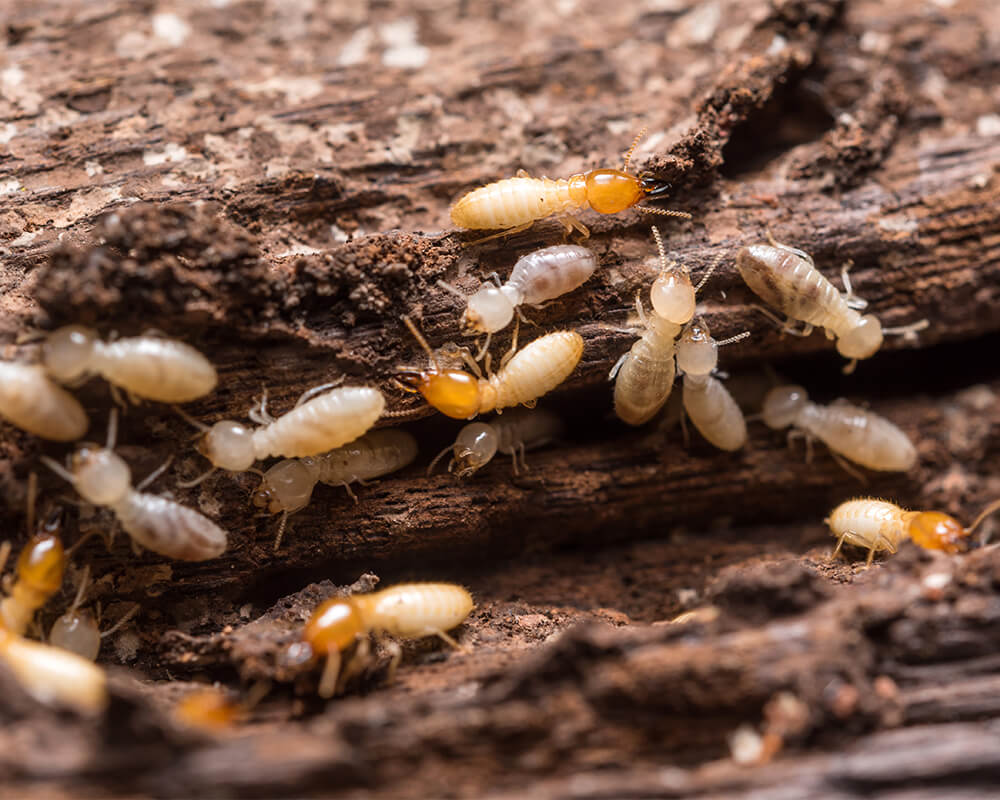

Signs of a termite problem can include:
✔ Hollow-sounding timber when tapped
✔ Sagging floors or warped door frames
✔ Mud tubes along walls or foundations
✔ Tiny holes in wood with fine sawdust (frass) nearby
✔ Swarming termites (often mistaken for flying ants)
If left untreated, a termite infestation can spread rapidly, affecting the entire structure of a building. That’s why early detection and professional treatment are essential to minimise damage and prevent long-term issues.
At Gippsland Pest Management, we specialize in comprehensive termite control solutions, designed to eliminate active infestations and protect your property for the future. Our expert team will assess your situation and recommend the best treatment strategy, ensuring complete protection for your home or business.
Stage 1: Initial Assessment
Every successful termite management plan begins with an initial assessment. This is a targeted visit where our technicians look over your property to gain an understanding of:
The initial assessment is designed for property owners who want to put a termite management system in place. It’s ideal where you own the property outright and there are no third-party requirements (such as from real estate agents, buyers, insurers, or lenders).
At the end of the assessment, you’ll receive a detailed quote outlining the recommended treatment approach and the best steps forward for installing a termite management system tailored to your home.
It’s important to note that this is not a full timber pest inspection. If a formal inspection report is needed — for example, to meet compliance, insurance, or pre-purchase requirements — a comprehensive inspection service can be arranged separately in line with Australian Standards.
If your property already has a reticulation system installed, a full onsite inspection is not necessary for quoting. Instead, we simply require two key details — the brand of the system and the total lineal metres of piping currently in place. With this information, our team can provide an accurate verbal quote over the phone without the need for a site visit.
Once you’re happy to proceed, we can move directly to Stage 3, where the system is replenished.
If termites are confirmed during the initial assessment, the next step is active termite control. The focus at this stage is on addressing the current termite activity onsite — stopping the immediate damage and reducing the pressure on your home.
Active control aims to:
This can be achieved through a range of professional treatment methods, including:
It’s important to understand that this stage is about eliminating the immediate threat, not about protecting your home long term. Active termite control alone will not prevent future infestations. Once the current activity has been brought under control, the next step is to install a termite management system to provide ongoing protection.
✅ If no termite activity was present onsite during the initial assessment
This stage is only required when live termites are found and active control is necessary.
If the assessment confirms no live activity, the property does not require this step. Instead, we move straight to Stage 3: Installing a Termite Management System to protect the home from future attack.
Even without visible activity, termites may still be present in the surrounding environment, which is why long-term protection is still essential. Skipping active control simply means there is no live infestation to treat — not that the risk is gone.
Once the active termite activity has been controlled, the next step is to put measures in place to protect your home from future infestations. This is achieved through the installation of a tailored termite management system.
The goal of this stage is to:
There are different types of termite management systems available, and the most suitable option depends on the property, soil type, construction, and level of risk. Common systems include:
Our technicians will design a system specific to your property’s needs and explain how it works, so you can feel confident your home is protected into the future.
Installing a termite management system is only part of the protection plan — ongoing care is just as important. Termites are persistent, and without regular monitoring, even the best system can lose effectiveness over time.
Post-treatment care focuses on:
This stage ensures that your investment in termite protection continues to deliver long-term results. By maintaining your system and carrying out scheduled checks, we can:
✅ Compliance matters: Under Australian Standard AS 3660, annual termite inspections are strongly recommended as part of any management plan. Many insurance providers also require documented annual inspections to maintain cover. Skipping these checks may void protection and leave your property vulnerable.
💡 Did you know? Termite damage is not covered by standard home insurance policies in Australia. This is why prevention is key. While no system can offer a 100% guarantee, installing and maintaining a termite management system goes a long way towards mitigating the risk and protecting your biggest investment — your home.
Q: How do I know which termite treatment is right for me?
Our technician will assess your property and provide a tailored recommendation based on current activity, construction type, and long-term goals.
Q: Can I do my own termite treatment?
You can attempt a DIY treatment; however, effective termite control often requires more than one technique and specialised products to achieve lasting results. Professional termite treatments use licensed methods, regulated chemicals, and industry expertise to ensure the problem is fully resolved. DIY approaches are rarely effective and may allow termites to continue causing hidden damage, leading to higher repair costs in the long run.
Q: What if I already have a barrier or monitoring system in place?
We can inspect existing systems to check effectiveness and determine whether reapplication, renovation, or upgrades are needed.